
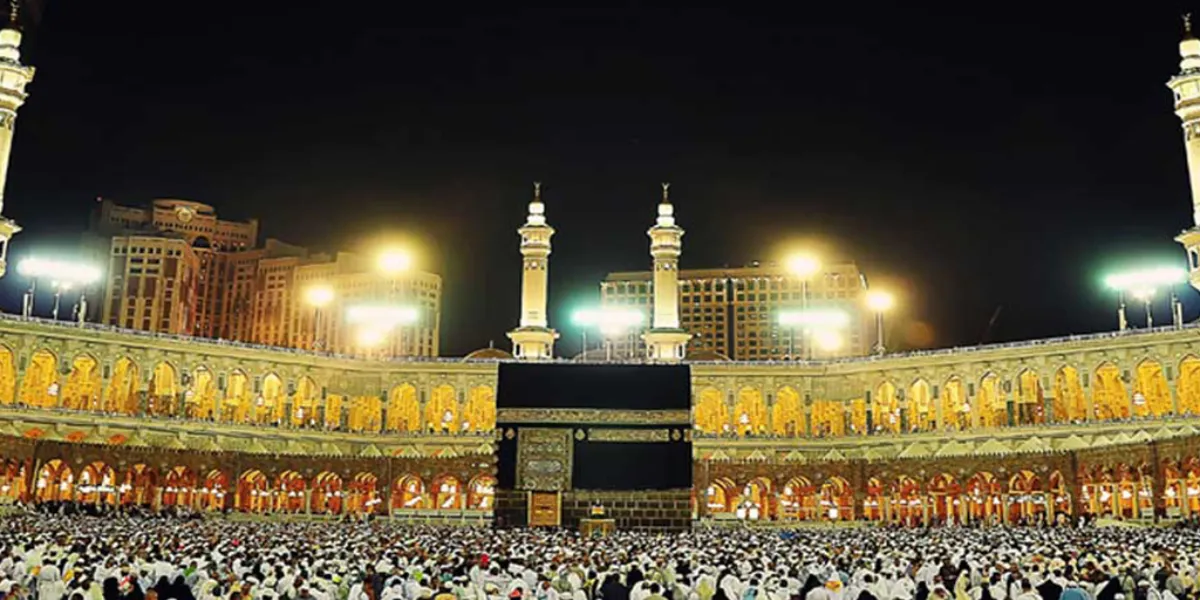
What is Makkah and Why is it Important?
Introduction
Makkah, also known as Mecca, holds a profound significance in the hearts of millions of Muslims worldwide. As the birthplace of Islam and the holiest city in the religion, it plays a central role in the lives of devout followers. This article delves into the historical, religious, and cultural importance of Makkah, shedding light on its unique standing in the Islamic world.
The Historical Significance of Makkah
Makkah boasts a rich historical heritage dating back to ancient times. Long before the advent of Islam, the city was a thriving hub for trade and commerce in the Arabian Peninsula. The Kaaba, a sacred site located within the Masjid al-Haram, served as a focal point for pilgrims even before the rise of the Islamic faith.
In the 7th century, Makkah became the birthplace of Prophet Muhammad (peace be upon him), the last messenger of Islam. His teachings and revelations laid the foundation for a monotheistic faith that would eventually spread across continents. The city’s association with the Prophet Muhammad elevated its status, making it the most revered place in Islam.
The Spiritual Heart of Islam
Makkah’s religious significance is unrivaled. Every year, millions of Muslims from diverse backgrounds embark on the Hajj pilgrimage to Makkah, fulfilling one of the Five Pillars of Islam. The pilgrimage is a testament to the unity of the Muslim ummah (community) as believers from around the world gather to worship together.
The focal point of the Hajj is the Kaaba, believed to be the House of Allah, constructed by the Prophet Ibrahim (Abraham) and his son Isma’il (Ishmael). Muslims face the Kaaba during their daily prayers, symbolizing the unity and oneness of God and the Islamic community.

Cultural Significance and Influence
Makkah’s influence extends beyond its religious prominence. The city’s cultural heritage is deeply intertwined with Islamic history, and it has served as a center for learning and scholarship for centuries. Many renowned Islamic scholars and thinkers emerged from Makkah, contributing significantly to Islamic jurisprudence, theology, and philosophy.
Moreover, Makkah’s role as a pilgrimage site has fostered cultural exchange, bringing Muslims from various regions together and facilitating the sharing of traditions, languages, and ideas.
Every year, thousands of devout Muslims from Pakistan embark on the sacred pilgrimage of Hajj. This spiritual journey to the holy city of Mecca is a profound expression of faith and unity, as they join millions of fellow believers from around the world in fulfilling one of the Five Pillars of Islam. The Hajj from Pakistan is a remarkable display of devotion, bringing people together in a profound celebration of their shared religious heritage.
Makkah in the Modern Era
In contemporary times, Makkah continues to be a vibrant city, welcoming millions of visitors annually for both Hajj and Umrah (a non-mandatory pilgrimage). The Saudi government has made significant infrastructural advancements to accommodate the growing number of pilgrims, ensuring a safe and comfortable experience.
The expansion of the Masjid al-Haram and the construction of high-rise hotels and buildings have transformed the city’s skyline. However, despite modernization, Makkah has managed to preserve its historic and religious charm.
“Need a car in Jeddah? Rent a car at Jeddah Airport hassle-free! Enjoy the convenience of exploring the city and beyond with our wide selection of vehicles. From compact cars to spacious SUVs, we’ve got you covered. Book now and experience seamless travel in Jeddah.”
Inclusivity and Makkah
Makkah’s importance extends beyond Muslims. As the epicenter of a global faith, it attracts curious minds from various religious backgrounds who seek to understand Islam better. Non-Muslims are welcome to visit the city and witness the Hajj rituals from a designated area, fostering interfaith dialogue and understanding.
Conclusion
In conclusion, Makkah holds an unparalleled significance in the Islamic world. Its historical, religious, and cultural importance make it a symbol of unity for over a billion Muslims worldwide. The annual pilgrimage of Hajj and the spiritual connection Muslims have with the city highlight its exceptional place in Islam.
Makkah stands as a testament to the enduring power of faith and the strength of community ties. Its continued relevance in the modern era is a testament to the deep-rooted devotion and reverence Muslims hold for this sacred city.



