
Increasing the amount of energy used directly from onsite solar panels reduces the reliance on external utility grids. Many households and businesses look for ways to store generated power for use during hours when the sun is not shining. When they utilize a battery energy storage system, the physical ability to capture excess daytime production becomes a reality. Atess provides equipment that manages these energy flows, helping users align their consumption patterns with renewable output.
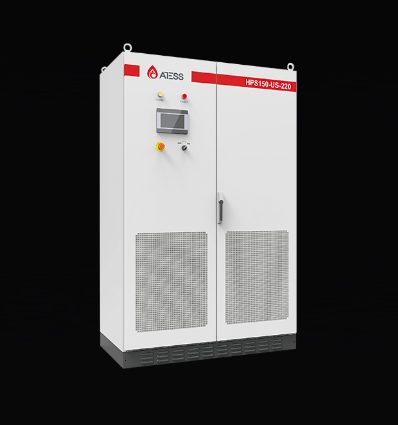
Improving Self-Consumption with Storage
Generating solar energy during midday is common, yet consumption often peaks in the early morning or evening. By installing a solar battery storage system, users save energy that would otherwise be exported to the grid. This hardware acts as a buffer, holding power until it is required. With this approach, they minimize waste and optimize the utility of their solar installations.
Hardware Functionality and Flow
Properly configured systems ensure that electricity moves efficiently between the panels, the battery, and the building load. A robust battery energy storage system requires hardware that reacts quickly to changes in demand. By responding to fluctuations, the equipment ensures that appliances continue to run on solar power even when generation stops. Atess designs these units to support consistent energy availability, which helps stabilize the power supply for the end user.
Long-term Efficiency
Regular monitoring of a solar battery storage system provides visibility into energy habits. Observing daily patterns allows users to make adjustments that further increase their self-consumption ratios. High-quality components are necessary to ensure that the system handles frequent charging cycles without degradation. When they prioritize durable hardware, the overall duration of the installation improves, allowing for years of predictable power usage. By focusing on simple, efficient hardware, they gain more control over their energy costs and contribute to a more stable local network.
Effective energy management depends on the hardware used to store and distribute power. By capturing solar energy for later use, these systems allow for a higher rate of self-consumption. Reliable components ensure that generated power is available whenever needed, supporting a more sustainable approach to energy usage.



