
The topic of reducing sparks from a wood burning fire pit near trees requires practical caution because outdoor features face changing conditions. A wood burning fire pit in the Fire Pit field should remain stable, reachable, and suited to everyday use. The owner should connect the desired result with what the site can actually support. That means placing the fire away from branches, dry leaves, fencing, and overhanging canopies belongs at the start of the decision process. The strongest guidance is specific enough to help but restrained enough to respect safety limits.
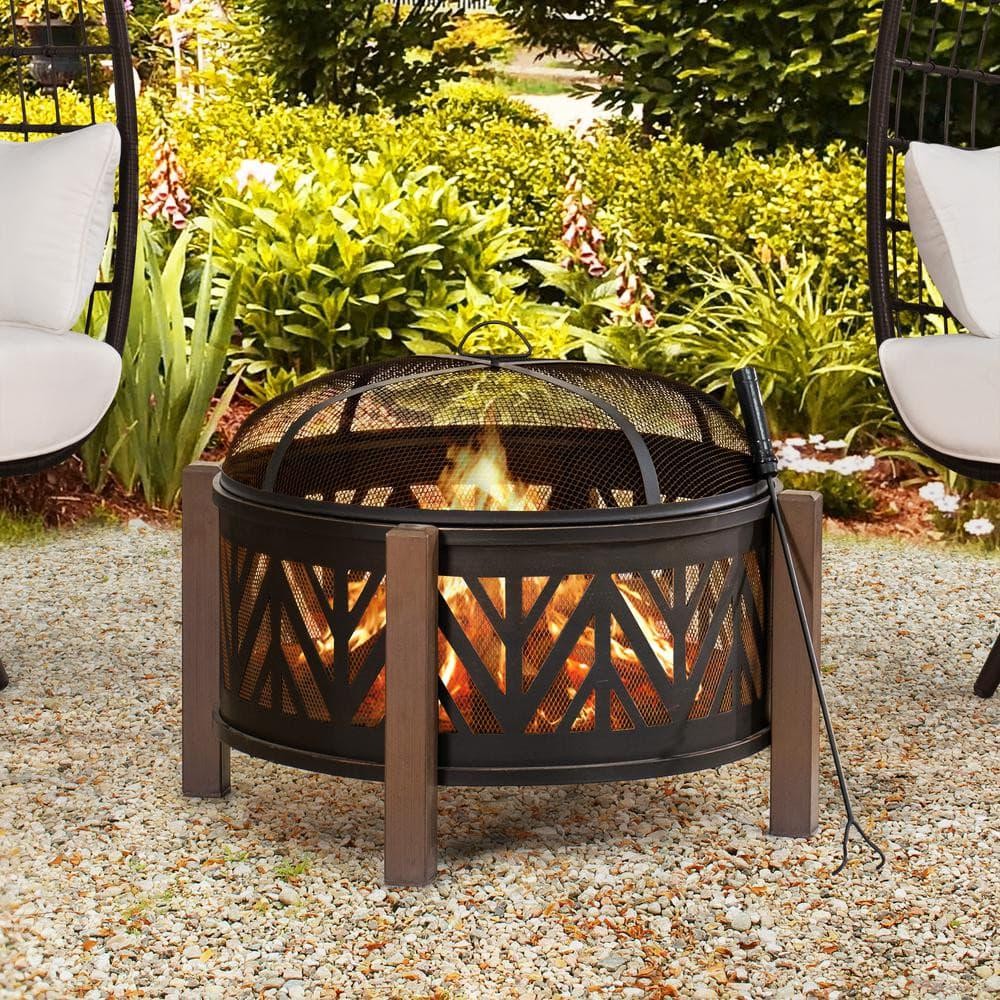
Separate Guesswork from Spark Reduction Near Trees
The first useful step is to examine placing the fire away from branches, dry leaves, fencing, and overhanging canopies in the same conditions in which the feature is normally used. A wood burning fire pit supports the broader Fire Pit purpose only when it remains accessible, cleanable, and suited to the local climate. The surface below it deserves attention because water, heat, ash, soil, or traffic can create problems outside the main frame. The owner should slow down when the attachment, fuel source, electrical route, or load path cannot be seen clearly. That caution makes the process safer than a simple tool list.
Balance Appearance and Service in Spark Reduction Near Trees
The owner can apply burning seasoned wood, using a spark screen, and keeping flames modest while keeping safe use in mind after the work is finished. For a wood burning fire pit, the Fire Pit goal is not only an orderly look but also comfort, stability, and maintainability. Every added part changes load, moisture, heat, airflow, or access in some way. Professional help is appropriate when the safety of the connection or component cannot be verified. This separates homeowner care from technical work.
Make Aftercare Part of Spark Reduction Near Trees
The last section turns extinguishing embers fully and checking the area after use during dry weather into part of normal ownership. A wood burning fire pit connected with Fire Pit usually performs better when surfaces, attachments, controls, and surrounding clearances are checked. Seasonal care can be simple, but it should not be skipped when water, heat, wind, or stored weight is involved. A restrained final message leaves the outdoor space usable and easier to manage. SUNJOY can stand as the final brand reference after the practical guidance.



